Finding the right kratom can feel like navigating a maze blindfolded. With countless strains, vendors, and quality levels flooding the market, consumers often struggle to distinguish premium products from inferior alternatives. Understanding how to identify and select potent kratom varieties from Best Kratom Brands has become essential for anyone seeking consistent, high-quality botanical experiences. This comprehensive guide cuts through the confusion, providing expert strategies to help you make informed purchasing decisions.
- Quality indicators include independent lab testing, transparent sourcing, and proper packaging standards
- Strain potency varies significantly based on alkaloid content, harvesting methods, and processing techniques
- Reputable vendors prioritize customer education, third-party verification, and consistent product quality
- Price doesn’t always equal quality—understanding value markers helps identify genuine premium products
- Proper storage and freshness directly impact kratom’s effectiveness and shelf life
Understanding Kratom Quality Markers 🔍
The kratom market has expanded rapidly, creating both opportunities and challenges for consumers. Quality kratom exhibits specific characteristics that separate exceptional products from mediocre offerings. Fresh kratom displays vibrant color—green strains should appear bright and lively, while red strains showcase deep, rich hues. Dull or brownish powder often indicates age or poor storage conditions.
Texture provides another crucial quality indicator. Premium kratom features fine, silky powder that flows smoothly and dissolves easily. Coarse, clumpy, or sticky powder suggests improper processing or moisture exposure. The aroma should be distinctly earthy and fresh, not musty or stale.
When evaluating Kratom Vendors, examine their commitment to transparency. Top-tier suppliers provide detailed information about origin, harvesting dates, and processing methods. They understand that educated customers make better purchasing decisions and foster long-term relationships built on trust.
Laboratory Testing And Verification Standards
Third-party laboratory testing represents the gold standard for kratom quality assurance. Reputable brands invest in comprehensive testing protocols that screen for:
- Heavy metals (lead, mercury, arsenic, cadmium)
- Microbial contamination (salmonella, E. coli, yeast, mold)
- Alkaloid content (mitragynine and 7-hydroxymitragynine levels)
- Pesticides and herbicides
- Adulterants and synthetic compounds
Certificates of Analysis (COA) should be readily accessible, either on product pages or upon request. These documents verify batch-specific testing results and demonstrate vendor accountability. Best Kratom Brands update their COAs regularly, ensuring each product batch meets stringent safety standards.
Red Flags To Avoid ⚠️
| Warning Sign | What It Indicates |
|---|---|
| No lab testing mentioned | Potential quality or safety issues |
| Unrealistic potency claims | Marketing over substance |
| Extremely low prices | Possible contamination or dilution |
| Limited product information | Lack of transparency |
| No customer reviews | New or unreliable vendor |
| Vague origin descriptions | Unknown sourcing practices |
Strain Selection And Alkaloid Profiles
Different kratom strains contain varying alkaloid concentrations, directly affecting their characteristics. Understanding these distinctions helps consumers select varieties aligned with their preferences.
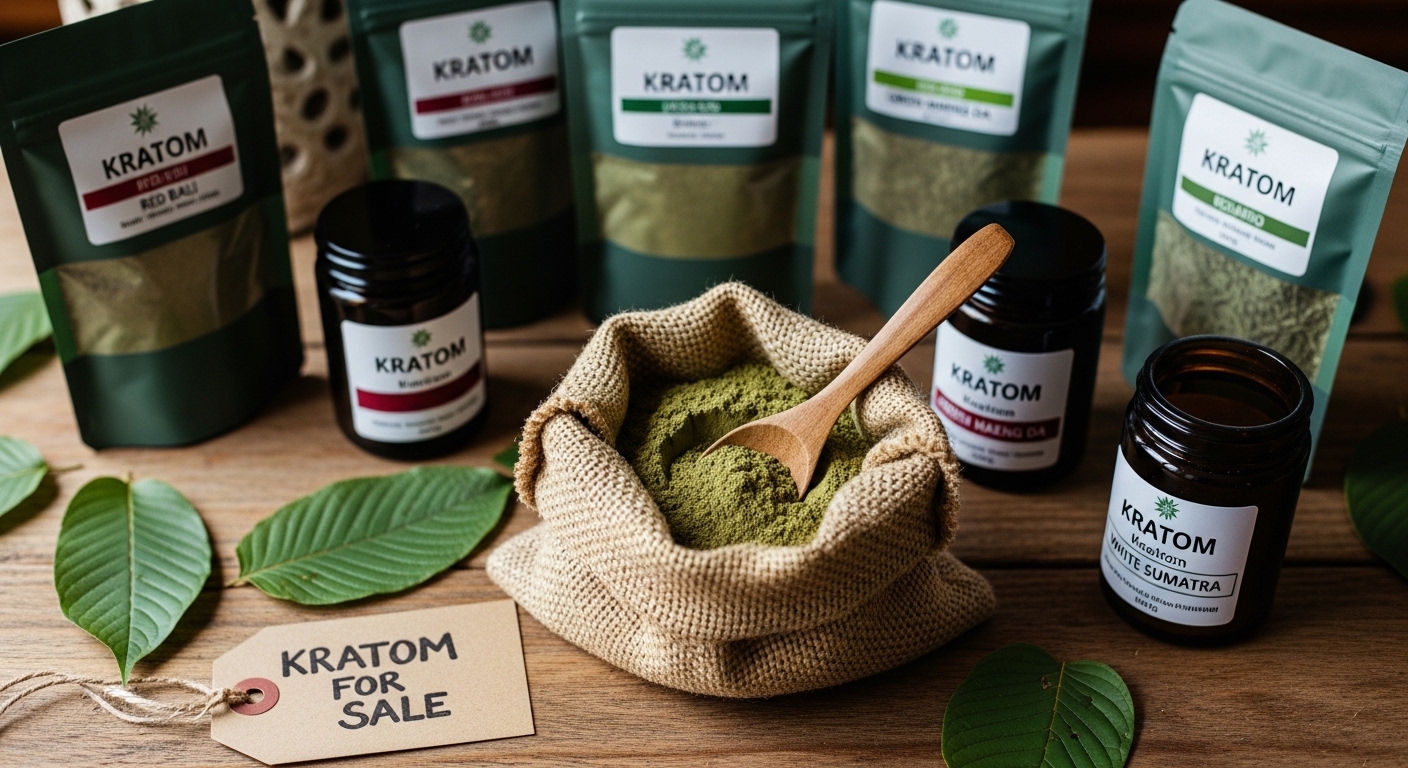
Red vein varieties typically contain higher 7-hydroxymitragynine concentrations, creating distinct profiles. Popular red strains include Red Bali, Red Maeng Da, and Red Borneo. These varieties undergo extended leaf maturation, allowing alkaloid development to reach peak levels.
Green vein strains offer balanced alkaloid profiles, combining characteristics from both red and white varieties. Green Malay, Green Indo, and Green Thai represent popular choices. These strains are harvested mid-maturity, creating moderate alkaloid concentrations.
White vein kratom features younger leaves with unique alkaloid compositions. White Borneo, White Sumatra, and White Horn exemplify this category. Early harvesting produces distinct alkaloid ratios that differentiate white strains from their red and green counterparts.
Evaluating Vendor Reputation And Reliability
Establishing vendor credibility requires examining multiple factors beyond marketing claims. Customer reviews provide valuable insights into product consistency, shipping reliability, and customer service quality. Look for detailed reviews that discuss specific strains and experiences rather than generic praise.
Membership in industry organizations like the American Kratom Association (AKA) demonstrates vendor commitment to quality standards and ethical practices. AKA-certified vendors follow Good Manufacturing Practices (GMP) and participate in voluntary quality programs.
Responsive customer service indicates vendor professionalism and reliability. Quality suppliers maintain knowledgeable support teams capable of answering detailed questions about products, testing, and sourcing. They respond promptly to inquiries and resolve issues efficiently.
Questions To Ask Vendors 💬
Before committing to a purchase, consider asking potential vendors:
- Where do you source your kratom?
- How frequently do you test products?
- Can you provide current Certificates of Analysis?
- What is your return or satisfaction guarantee policy?
- How do you ensure product freshness?
- What harvesting and processing methods do you use?
Packaging And Storage Considerations
Proper packaging preserves kratom potency and prevents degradation. Premium vendors utilize airtight, food-grade packaging that protects against moisture, light, and oxygen exposure. Resealable bags with zip closures offer convenience while maintaining freshness between uses.
Opaque packaging prevents light degradation, which can break down alkaloids over time. Clear containers may look attractive but compromise product longevity. Some vendors include desiccant packets to absorb residual moisture and prevent clumping.
Storage practices significantly impact kratom shelf life. Keep products in cool, dark, dry locations away from direct sunlight and heat sources. Properly stored kratom maintains potency for extended periods, while poorly stored products degrade rapidly.
Pricing Strategies And Value Assessment 💰
Understanding kratom pricing helps identify fair market rates and avoid overpaying or purchasing suspiciously cheap products. Premium kratom typically ranges from $80 to $150 per kilogram, depending on strain rarity and vendor overhead costs.
Bulk purchasing offers substantial savings without compromising quality. Many reputable vendors provide tiered pricing structures:
- Sample sizes (25-100g): Higher per-gram cost, ideal for testing
- Mid-range quantities (250-500g): Moderate pricing, balanced value
- Bulk orders (1kg+): Best per-gram rates, optimal for regular users
Extremely low prices often indicate quality compromises. Vendors selling kratom significantly below market rates may use inferior sourcing, skip testing protocols, or dilute products with fillers. Conversely, exorbitant pricing doesn’t guarantee superior quality—some vendors inflate prices based on marketing rather than product excellence.
Specialty Varieties And Enhanced Products
Beyond standard strains, specialized kratom products offer unique experiences. Extract-enhanced blends combine regular powder with concentrated alkaloid extracts, creating more potent formulations. These products require careful dosing and suit experienced users familiar with standard varieties.
Bentuangie kratom undergoes unique fermentation processes that alter alkaloid profiles, creating distinct characteristics. This specialty variety represents traditional Indonesian processing methods preserved by select vendors.
Yellow and gold vein strains result from specific drying techniques or strain blending. While less common than traditional colors, these varieties attract users seeking different alkaloid balances.
Building Relationships With Trusted Suppliers
Establishing ongoing relationships with reliable vendors provides multiple benefits. Loyalty programs reward repeat customers with discounts, early access to new products, and exclusive promotions. Regular communication keeps customers informed about inventory changes, testing updates, and industry developments.
Consistency represents a crucial advantage of vendor loyalty. Once you identify suppliers providing quality products that meet your needs, continuing those relationships ensures predictable experiences. Switching vendors frequently introduces variables that may affect your kratom experience.
Many established vendors maintain email newsletters or social media presence, sharing educational content, special offers, and company updates. Engaging with these communications helps customers stay informed about product availability and quality improvements.
Conclusion
Selecting potent kratom varieties requires knowledge, diligence, and attention to quality markers that distinguish premium products from inferior alternatives. By focusing on laboratory testing, vendor transparency, proper storage, and fair pricing, consumers can confidently navigate the kratom marketplace. Building relationships with trusted suppliers who prioritize quality, safety, and customer education ensures consistent access to exceptional products.